


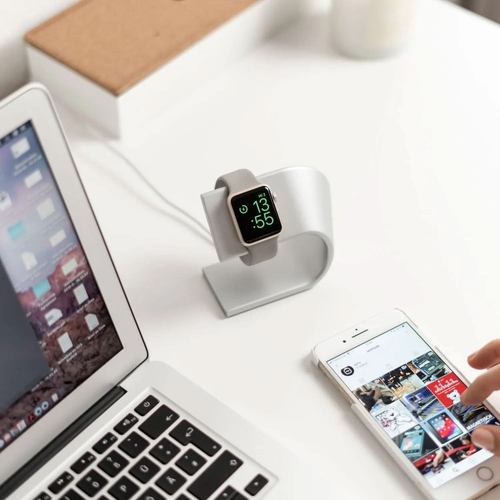
The model, case size, and band go together. This guide helps you choose the right watch class first and then a band for your everyday use.
In This Article
First, Choose the Right Watch Class
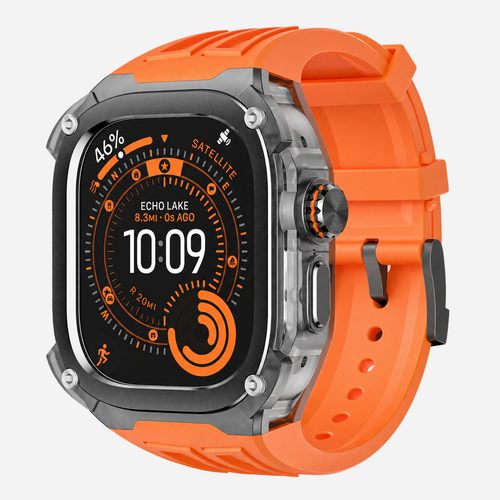
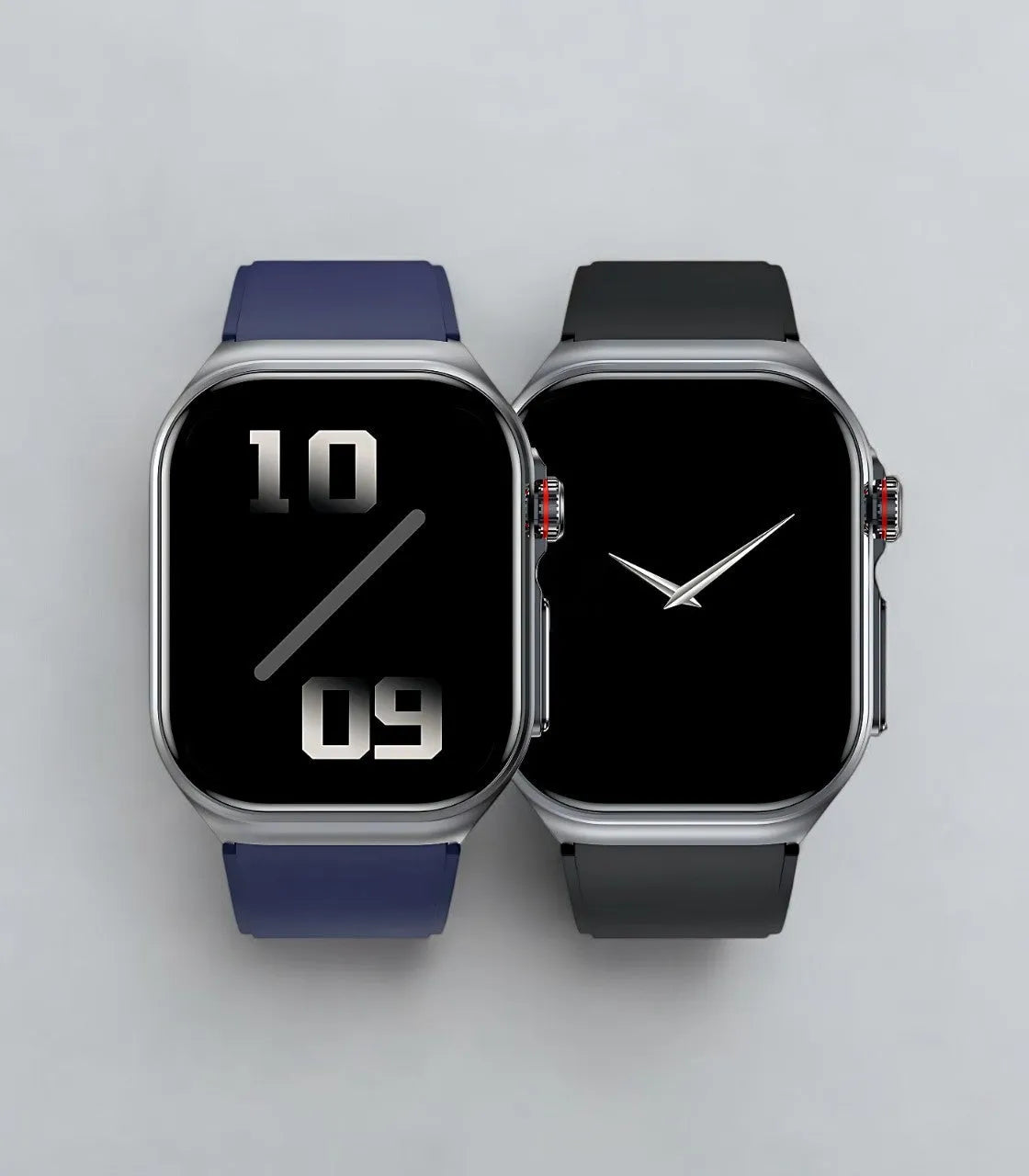
For basic smartwatch tasks, an SE may be an attractive option. A Series offers a wider range of features, while the Ultra is more focused on long days on the go and sports activities. We provide a detailed breakdown of the current models in our 2026 buying guide.
If possible, try more than one size. A larger display can be convenient, while a smaller case may be more comfortable when sleeping or wearing tight clothing. The best choice depends on how you use it, not on the price alone.
The iPhone as Part of the Decision
The Apple Watch and iPhone must be compatible in terms of model and software. For the Series 12 and Ultra 4, Apple specifies an iPhone 11 or later running iOS 27. For older models and pre-owned devices, the installed version of watchOS also matters. Check the current Apple compatibility table before ordering.
[1]An Android smartphone does not replace standard iPhone pairing. Additional requirements may also apply to individual smart features. If a particular feature is important to you, check whether it is available for your specific combination.
Then Comes the Band
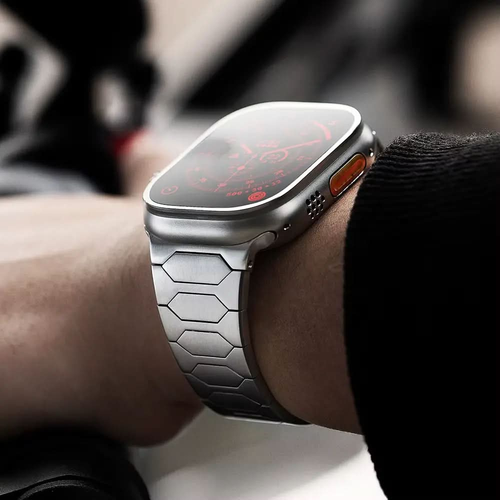
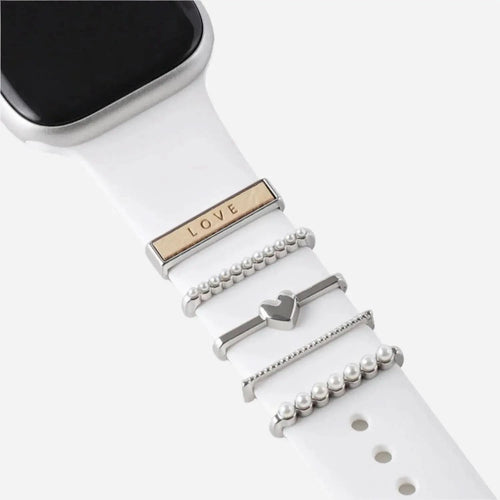
When choosing, specify the exact watch model and case size. Then compare your wrist circumference with the band's adjustable range. A loose band can feel insecure, while one that is too tight can become uncomfortable during extended wear.
Start with a material that suits your most frequent use. If you wear the watch both during workouts and at the office, a second band may be a practical addition. The product specifications should confirm what types of wear and cleaning the material can withstand.